The honest short answer
We are not an insurance company, and we do not decide what gets paid. What we do have is more than 20 years of working beside homeowners and adjusters after water losses, and the patterns are consistent. Most standard homeowners policies cover water damage that is sudden and accidental. They often do not cover flood, slow leaks or sewer backup unless you bought extra coverage.
So the answer to the question in the title depends on where the water came from and how long it was there. That is also why the first thing an adjuster asks is the cause, and why the record you build in the first day matters.
Sudden and accidental versus gradual
A pipe that bursts overnight is sudden. A washing machine hose that lets go while you are at work is sudden. A storm that peels shingles and lets rain through the ceiling is typically treated as sudden too. A drip under the kitchen sink that rotted the cabinet over months is gradual, and so is a roof leak that was known about and left alone.
The line between the two is often where claims get contested. If you find a leak, stop it right away, fix it and photograph it. Waiting weeks to repair a known leak can give an insurer a reason to deny. In our experience, quick action and a clear record settle more questions than any argument later.
Flood, storm water and sewer backup
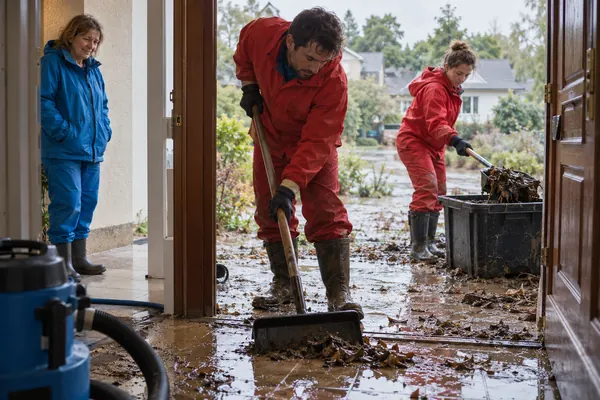
People confuse these constantly. Water rising from the ground, over a creek bank or coming through a basement wall is flood, and flood is almost never covered by a standard homeowners policy. It needs a separate flood policy, usually through the National Flood Insurance Program or a private insurer. If you have ever had storm water in the house, our storm and flash flood damage restoration page explains how we handle it.
Sewer and drain backup is another category. Many policies exclude it unless you added a water backup endorsement, which is usually a modest add-on. If your house has a basement, a floor drain or a sump, ask your agent about it before something happens. Our sewage backup cleanup page covers what the cleanup involves.
Mold, deductibles and limits
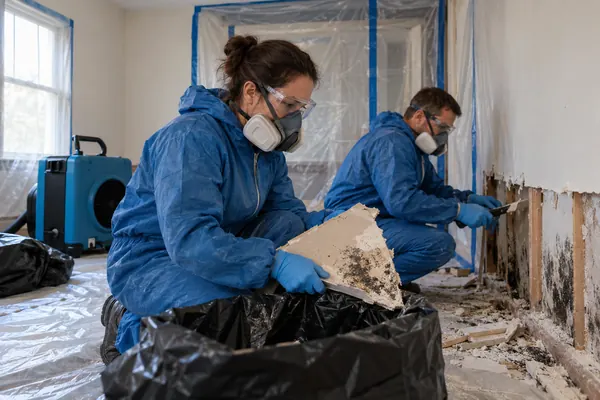
Mold is a frequent surprise. Many policies cover it only when it follows a covered water loss, and cap the amount. If a leak goes unreported and mold grows, an insurer may refuse. That is another reason to get the area dried quickly. Our mold remediation page explains how removal works after a leak, and our mold removal in Union City page covers the full range of mold work.
Look at the deductible and the limits on your declarations page. Many Georgia policies have a flat deductible for most losses and a separate percentage for wind and hail. A small loss that falls under the deductible may not be worth a claim. Some policies also cap water damage, mold or sewer backup at a set amount, and a flooded kitchen plus a mold cleanup can reach that cap quickly.
What to do after a loss
Stop the water and make the house safe first. Then call your insurer to open a claim and ask what they require. Take photos and video before anything moves, and keep damaged items until the adjuster has seen them when you can. Keep receipts for emergency costs such as drying and temporary lodging. The steps for the first hour are in our guide to the first 60 minutes after a burst pipe.
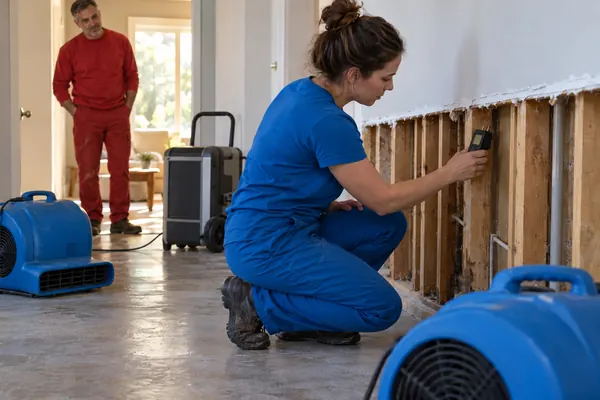
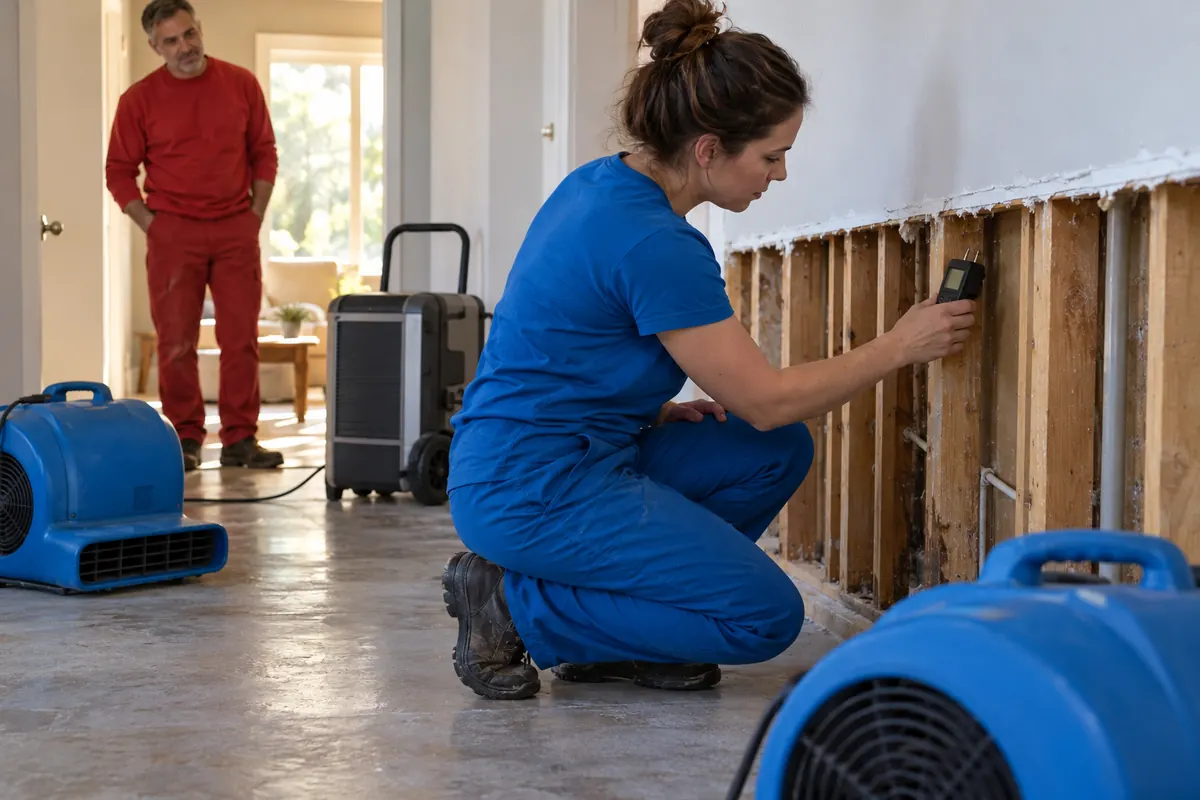
Ask your restoration company for moisture logs, photos and equipment records. That is what we provide on every job. Our structural drying and dehumidification crew takes readings on every visit, and those numbers show an adjuster the water was real and the drying was finished. If you rent, the building owner's insurance and your renters policy each cover different things, which we explain in our post on rental water damage for tenants and landlords.
Working with the adjuster
Be clear and honest about what happened. Let the adjuster see damaged materials when possible, and share the photos and logs. Ask for the scope of the claim in writing, and keep a copy of every estimate. If the insurer's number comes in lower than the repair bids you have, ask how they arrived at it and what documentation would change it.
If a claim is denied, ask for the reason in writing along with the policy language they relied on. You can send more documents, request a second look or get your own contractor estimate. The Georgia Department of Insurance accepts consumer complaints, and some people hire a licensed public adjuster. We cannot give legal advice, but we can support your side with records. For typical costs to compare against an estimate, see our pricing page.
Quick answers
Does homeowners insurance cover a burst pipe?
Usually yes, if the burst was sudden and accidental. The damage is often covered, but the broken pipe itself may not be.
Is a sewer backup covered?
Often only with a water backup endorsement. Check your declarations page or ask your agent.
Will filing a claim raise my rate?
That depends on your insurer and your history. Ask your agent before filing, especially for a loss that is close to your deductible.