Who we are
A local crew for the wet days
Ironclad Restoration works out of Mall Blvd in Union City, with more than 20 years of experience behind the crew. We handle the part that comes after the plumber stops the leak, or while they are still on the way: getting the water out, drying the building and keeping a record you can hand to an adjuster.
Our jobs run from a washer hose in a rental to a flooded warehouse bay. The tools change. The order does not: stop it, remove it, dry it, check it.
- 20+ years experience
- Residential and commercial
- Moisture readings every visit
- Written records for insurance
- Emergency line open 24/7
Services
Water damage services in Union City
Pick the one that matches your problem. If you are not sure, call and describe what you see.
Emergency Water Damage Restoration
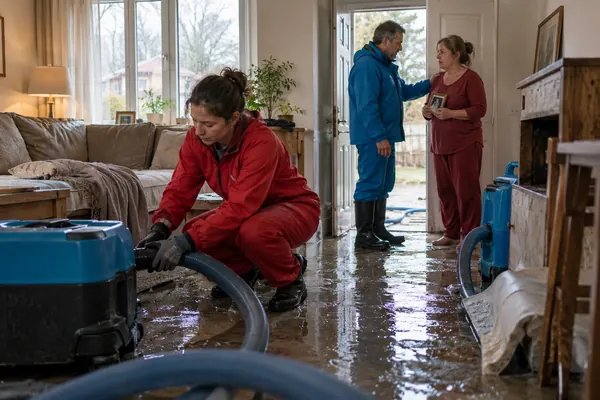
Round-the-clock crews stop active water, pump out standing water and start drying before walls, floors and insulation soak up more damage.
Water Extraction & Removal
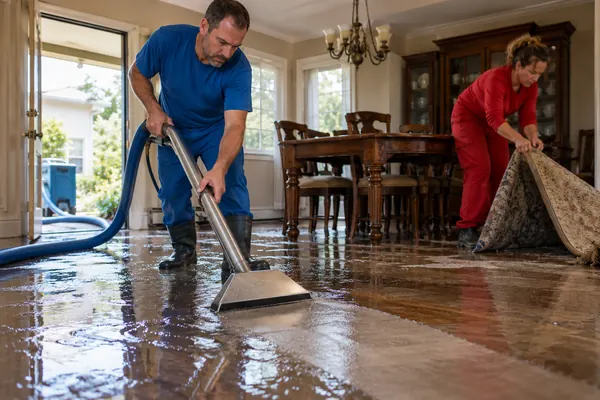
Pumps and wand extractors lift standing water from hardwood, tile and carpet, so less of it sinks into the subfloor and wall bases.
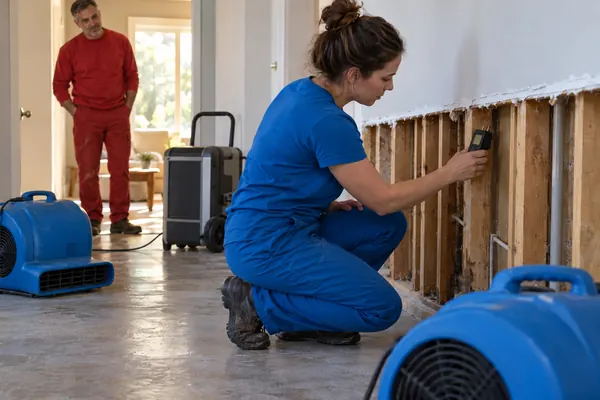
Structural Drying & Dehumidification
Air movers, desiccant and refrigerant dehumidifiers and daily moisture readings pull trapped water out of studs, subfloors and drywall until they read dry.
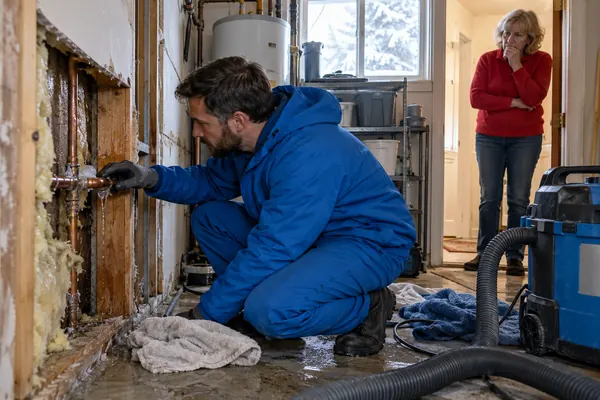
Frozen & Burst Pipe Cleanup
Winter crews extract water from ruptured lines and deep-dry crawlspaces, attics, exterior walls and flooded lower levels after a hard freeze.
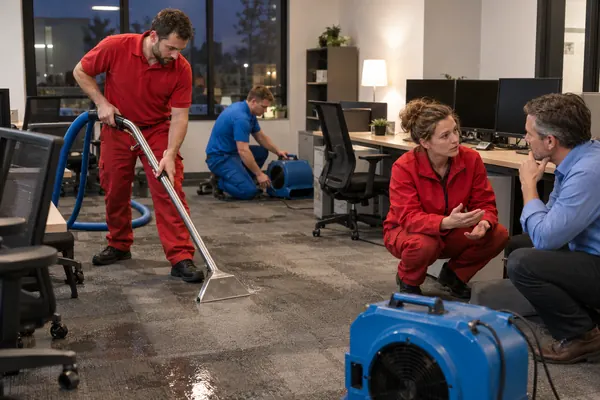
Commercial Water Damage Restoration
Large-loss drying for warehouses, offices, retail and multi-tenant buildings, with phased work that lets part of your business stay open.
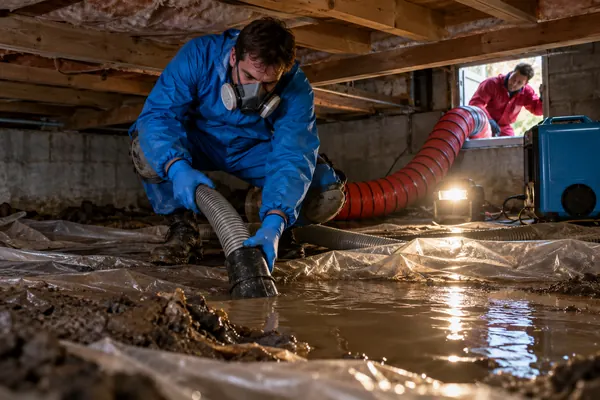
Crawlspace Water Damage & Drying
Standing water, wet insulation and damp joists under the house get pumped out and dried, with the vapor barrier checked before we leave.
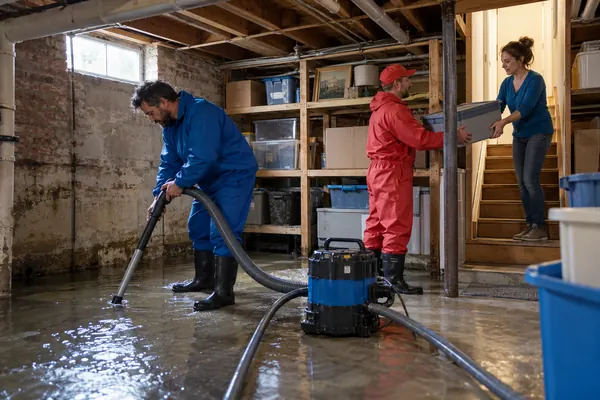
Basement Flooding Cleanup
Pumping, debris removal and drying for flooded basements, including sorting boxes and keepsakes you can save from what has to go.
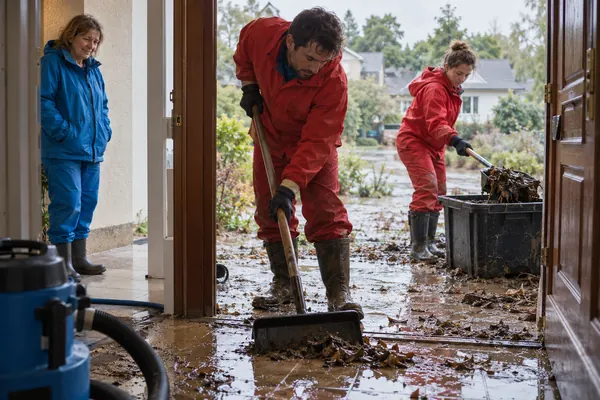
Storm & Flash Flood Damage Restoration
After a flash flood we shovel out mud and debris, extract storm water, wash down surfaces and dry the structure to stop mold.
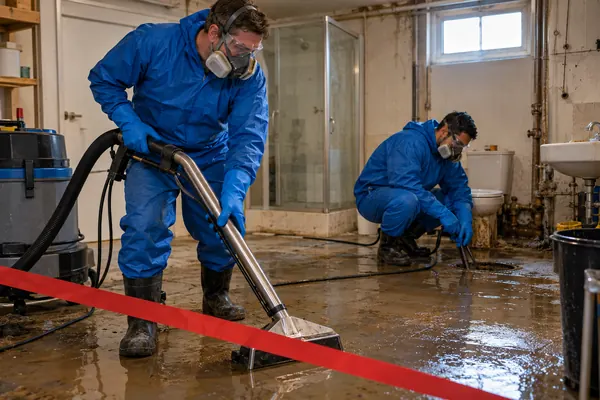
Sewage Backup Cleanup
Crews in respirators and protective suits extract contaminated water, remove porous materials, sanitize surfaces and dry the affected area.
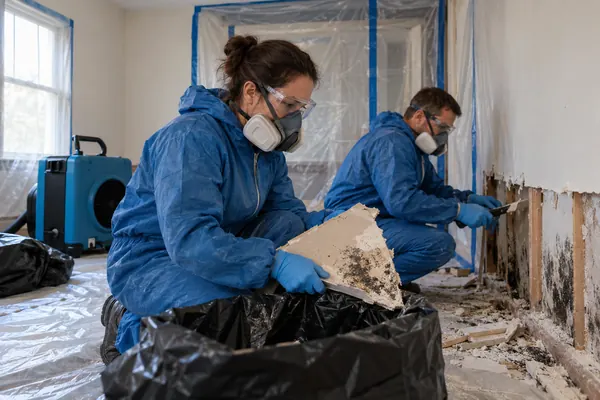
Mold Remediation
Containment, HEPA air filtration, removal of mold-damaged drywall and framing treatment, then moisture control so growth does not return.
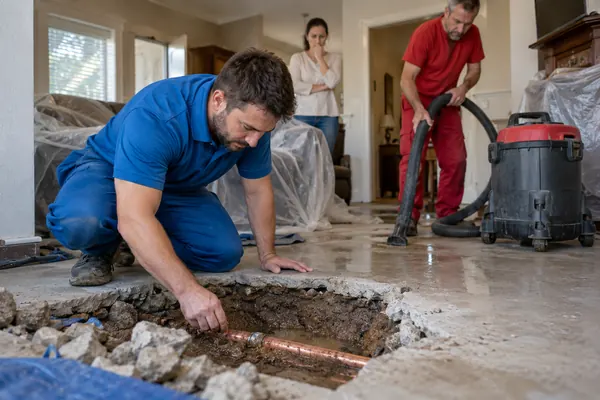
Slab Leak Water Damage Repair
When a supply line leaks under the concrete slab, we remove wet flooring, dry the slab and walls, and watch moisture until readings settle.
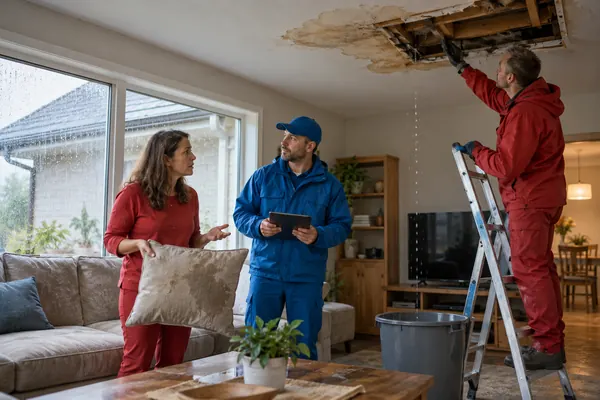
Roof & Ceiling Leak Water Damage
Wet insulation and sagging drywall get opened and dried, so a roof or ceiling leak does not turn into mold in the attic or walls.
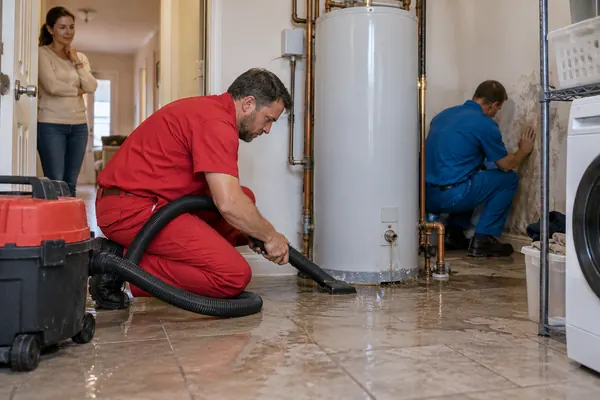
Appliance & Water Heater Leak Cleanup
When a water heater, washer or dishwasher fails we extract the spill, dry floors and wall bases, and check neighboring rooms for hidden moisture.
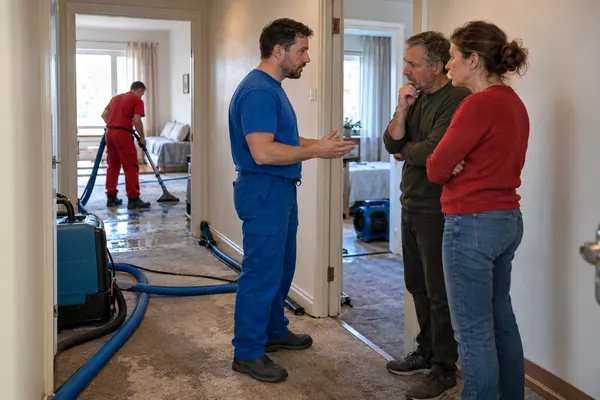
Apartment & Multi-Unit Water Damage
Leaks from upstairs units and shared lines get extracted and dried, with the work coordinated between tenants, landlords and property managers.
Water Main & Supply Line Break Cleanup
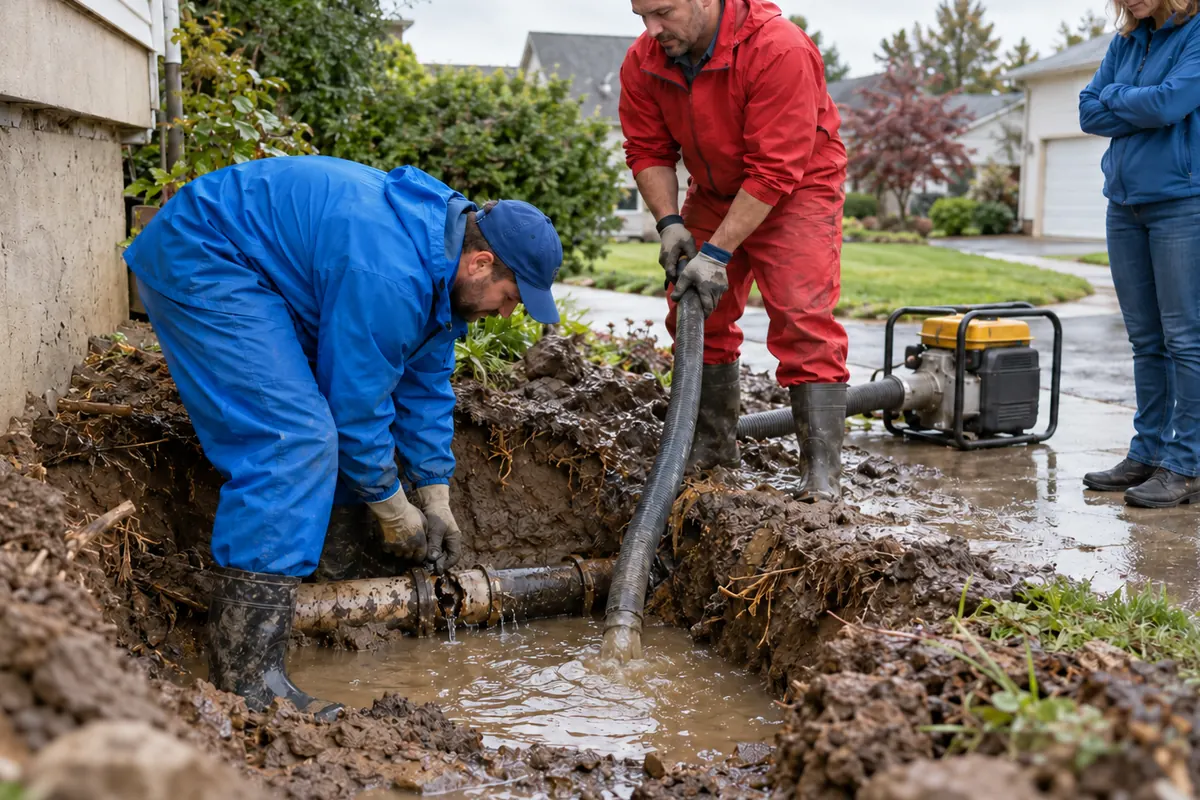
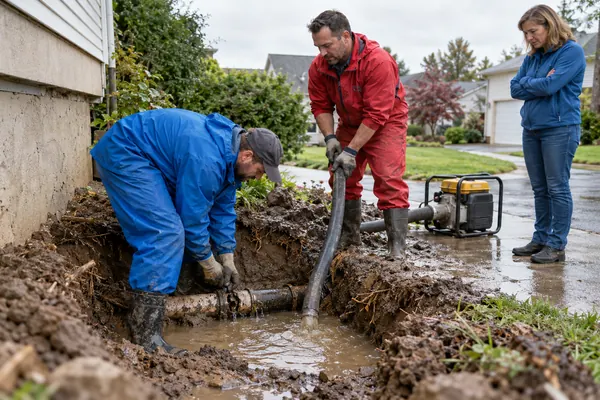
Broken water mains and supply lines flood yards, crawlspaces and floors. We pump out water, clear mud and dry the structure.
How it goes
What happens after you call
Call and describe
Tell us where the water is, how far it spread and whether it is still running. We tell you what to shut off and what to leave alone.
Crew on site
We check for hazards, find the water source, then start pumping and pulling out wet materials that cannot be saved.
Dry to the numbers
Air movers and dehumidifiers go in. A tech returns to read moisture in walls, floors and framing until they are dry.
Close out with records
You get photos, moisture logs and a written scope for your insurer, plus a list of what is ready for repair.
Water types
Three kinds of water, three kinds of job
The first question we ask is where the water came from, because it decides the gear, the safety steps and what can be saved.
Clean water
Supply lines, faucets, tanks and rain through a clean roof. It is the easiest to handle, and floors and drywall can often be dried instead of replaced if we start quickly.
Gray water
Washers, dishwashers and tub drains. It carries soap and dirt, so porous materials usually come out, and hard surfaces get cleaned as well as dried.
Black water
Sewage, toilet backups and flood water. It carries bacteria, so we wear protective gear, contain the area, remove porous materials and disinfect before drying starts.
Local
Water damage has local habits in Union City
Red clay
Clay swells in rain and shrinks in dry spells. It holds water against foundations and slow-walks drainage into crawlspaces.
Slab and crawlspace homes
Few full basements. Water spreads flat across slabs or hides under floors and in the crawl.
Humid summers
Drying is slower and mold starts sooner when the air outside is already damp.
Southeast storms
Flash floods overload street drains and push water through thresholds.
Rentals and warehouses
More than half of residents rent, and large distribution buildings line the commercial corridors.
Who we work for
Homes, rentals and commercial buildings
Homeowners call us for burst pipes, failed water heaters, storm water and slab leaks. Renters and landlords call for leaks between units and ceilings that drip from the apartment above. Property managers and business owners call for wet warehouses, offices and retail floors.
The method is the same in all of them: stop the source, remove the water, dry the structure, and write it down. What changes is the scale, the paperwork and who needs to be kept informed, so we shape each job to fit the building and the people in it.
Common problems
Problems we usually run into on a call
Every house is different, but the same trouble shows up again and again. Knowing it helps you describe the loss and plan the work.
Water that spread farther than it looks
A wet hallway often means a wet closet, a wet wall base and a wet room on the other side. We check with a meter and a thermal camera before we call the job small.
Carpet pad glued to a slab
Pad bonded to concrete comes up in strips and has to be scraped. It holds water for days if left, so it goes first.
Hidden leaks behind cabinets and toe kicks
Dishwasher and ice-maker lines leak slowly and soak the cabinet base. The floor looks fine until the cabinets swell.
Crawlspaces nobody has looked at in years
Torn vapor barrier, wet insulation, and mud from past storms make the first visit slower than the water itself.
Insurance paperwork started late
Photos taken after the cleanup, or a claim opened days later, make an adjuster's job harder. We start the record on arrival.
Humidity in July and August
When the air outside is already damp, drying takes more equipment and more days. Opening windows makes it worse.
Cost
What water damage usually costs in Union City, GA
Cost depends on how much water, how long it sat and what it touched. A small appliance spill on tile can sit near $500. A burst pipe that soaked a crawlspace and two rooms often lands between $1,500 and $7,000. Sewage, flood and large commercial losses run higher.
These are typical estimates for the Atlanta area, not guaranteed prices. Your service page and our pricing page show ranges for every service. For an exact quote, call and describe what you see.
What to do before the crew arrives
- Stop the water if you can. Close the main valve or the shutoff at the fixture.
- Keep out of any water that touches outlets, appliances or the breaker panel.
- Lift small items, rugs and electronics off wet floors.
- Take photos and short video of every wet room and of the source.
- Open cabinet doors and closets only if they are dry inside and the floor is safe.
- Call the emergency line and tell us what you see and how long it has been wet.
Drying
Why drying takes days, not hours
Pulling standing water off a floor is the quick part. The slow part is the moisture that soaked into wood, drywall, insulation and concrete. That water does not run out. It has to evaporate, and the air has to carry it away.
We set air movers to push dry air across wet surfaces and dehumidifiers to take the vapor out of the room. Then we measure. A meter reads the studs, the subfloor and the slab, and we compare the numbers to dry material in the same house.
Most homes need three to five days of equipment, and a humid week in July can add more. We come back every day, move the machines, and take the equipment out only when the readings agree it is dry. That record is what your insurer and your contractor will ask to see.
FAQ
Questions people ask first
Do you answer at night and on weekends?
Yes. The emergency line is available 24/7. Office hours are Monday to Friday, 8:00 AM to 6:00 PM, for questions and scheduling.
What areas do you cover?
Union City and nearby South Fulton communities, including areas along I-85, US-29 and SR-138. Call if you are not sure we reach your street.
How long does drying take?
Most homes need three to five days of equipment. Concrete, plaster and wet insulation can take longer. We read moisture every visit.
Will insurance pay?
It depends on your policy and the cause of the water. Sudden pipe and appliance failures are often covered. Flood and sewer backup often need separate coverage.
Can you work in a rental or apartment?
Yes. We coordinate with tenants, landlords and property managers, and we keep records for each unit.
Do you handle businesses?
Yes. We dry offices, retail and warehouses, and we plan phases so part of the building can stay open.
Service area
Where we work
Our office is on Mall Blvd in Union City, just off the I-85 corridor southwest of Atlanta. From here the crew reaches homes, apartment communities and commercial buildings along US-29, SR-138 and the roads around Hartsfield-Jackson Airport.
Union City sits on red clay, and many neighborhoods have slab foundations or crawlspaces. Roosevelt Highway and other major roads carry older water lines. Warehouses and distribution centers fill the commercial corridors. We know how water behaves in all of them.
If you are in Union City, East Point, College Park, Fairburn, Palmetto or another South Fulton neighborhood, call and tell us the street. We will say plainly whether we can get there and what the crew needs to know before it arrives.
Blog
From the field notes
Water Damage in a Rental: What Tenants and Landlords Should Do First
More than half of Union City residents rent, so we work with both sides constantly. Here is how to handle the first 24 hours.
Does Homeowners Insurance Cover Water Damage in Georgia?
Short answer: sometimes. After more than 20 years working alongside homeowners and adjusters, here is how it usually plays out.
Burst Pipe in the Middle of the Night: Your First 60 Minutes
The first hour sets the size of the repair. Here is the order we walk customers through on the phone at 2 a.m.
Water in the house right now?
Call the emergency line. If it is not an emergency, we answer weekdays 8 AM to 6 PM. (770) 691-5681.